


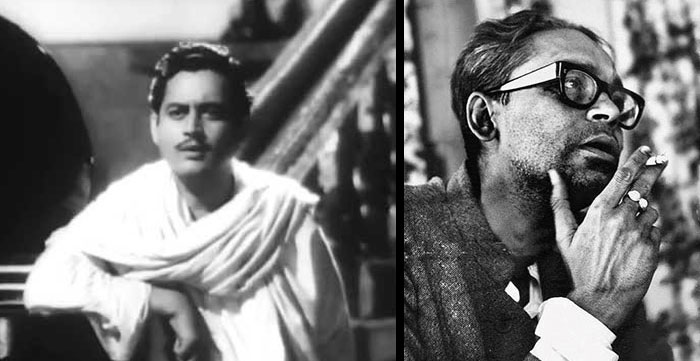
This year’s IFFM - Indian Film Festival of Melbourne (14–24 August 2025) - takes on a deeply sentimental, celebratory tone. As the festival curates over 75 films in 31 languages, it devotes special focus to the centenary of two of Indian cinema’s greatest directors: Guru Dutt and Ritwik Ghatak.
By spotlighting their films, IFFM isn’t just offering a nostalgic trip - it’s inviting a renewed conversation between today’s audiences and the emotional, political, aesthetic realities those films emerged from.
Guru Dutt - The Poet of Light and Longing
Born in 1925, Guru Dutt’s contribution to Hindi cinema blends lyrical melancholy with visual poetry. Despite a tragically short career, his films remain some of the most haunting, beautiful works in Indian cinema.
At IFFM 2025, the festival honoured him with screenings of his enduring masterpieces: Pyaasa (1957) and Kaagaz Ke Phool (1959).
- Pyaasa tells the story of a disillusioned poet whose voice remains unheard by a society obsessed with commercial success - a haunting reflection on art, love, yearning and betrayal.
- Kaagaz Ke Phool - though a box office disappointment in its time - is now hailed as an audacious and heartbreaking vision of loneliness, success, failure and the ephemeral nature of fame.
These screenings allowed audiences - some perhaps watching on the big screen for the first time - to reexperience Dutt’s mastery of mood, frame, emotion. The tribute was more than reverence; it was revival.
Ritwik Ghatak - The Voice of Displacement, Memory and Human Struggle
Meanwhile, the festival also paid tribute to Ritwik Ghatak, whose centenary fell in 2025. Recognized as one of the most important filmmakers in Bengali and Indian art cinema, Ghatak used film to explore trauma, identity, exile and the lingering scars of history.
IFFM’s centenary salute to Ghatak included screenings of some of his landmark films: Meghe Dhaka Tara (1960), Komal Gandhar (1961), and Subarnarekha (1962).
- Meghe Dhaka Tara presents the heartbreak of a refugee family struggling in post-Partition India — with searing humanism, stark realism, and emotional depth.
- Komal Gandhar — sometimes translated as A Soft Note on a Sharp Scale — navigates the role of art and artists in a fractured society. It remains one of the most sensitive, socially aware films on the refugee crisis and identity unrest.
- Subarnarekha deepens the tragedy: displacement, alienation and the search for identity in a wound that refuses to heal. The three films taken together form Ghatak’s powerful cinematic response to Partition and displacement.
Through sparse visuals, raw emotion, symbolic soundscapes and unflinching empathy, Ghatak offered cinema not just as art, but as memory — a moral mirror to history and to life.
Why IFFM’s Tribute Matters - Then and Now
By programming both Dutt and Ghatak in the same edition, IFFM created a rare dialogue between two very different languages of cinema. On one hand: Dutt’s poetic, self-reflexive, cinematic romanticism. On the other: Ghatak’s socially conscious, heartrending realism rooted in memory and displacement.
For younger viewers - born decades after these films were made - the screenings were a lesson in history, heritage and cinematic possibilities. For older cinephiles, a moment of reunion with the ghosts of a past era. Either way: a reminder that great cinema is timeless.
In a world where commercial cinema often dominates, such retrospectives reaffirm the power of film - not just to entertain, but to challenge, to heal, to remember.
The Legacy Lives On - Both on Screen and Off
- Guru Dutt’s interplay of light, shadow, chambered frames and emotional fragility continues to influence filmmakers, cinematographers and storytellers across generations. His films prove that popular cinema can also be deeply personal, poetic and subversive.
- Ritwik Ghatak showed that cinema can serve as an act of memory — giving voice to the dispossessed, the exiled, the stateless. His sensitivity to trauma, belonging, identity shapes not just Bengali or Indian cinema-but continues to resonate globally, especially in times of displacement and migration.
IFFM 2025’s homage was more than a celebration - it was a reaffirmation: that even decades later, when times change, when languages evolve, when audiences shift - the truths unearthed by these filmmakers remain urgent, alive, necessary.